


Please Leave Us A Message

Haoyong Automotive Controls
Modern vehicles rely on hundreds of electronic and mechanical components working together to ensure comfort, safety, efficiency, and performance. One of the most important yet often overlooked components is the automotive actuator. From adjusting airflow in HVAC systems to controlling door locks and throttle valves, actuators play a vital role in vehicle operation.
As a professional Automotive Actuator Manufacturer, understanding the design, function, and application of automotive actuators helps vehicle manufacturers and system integrators select the right solution for their projects.
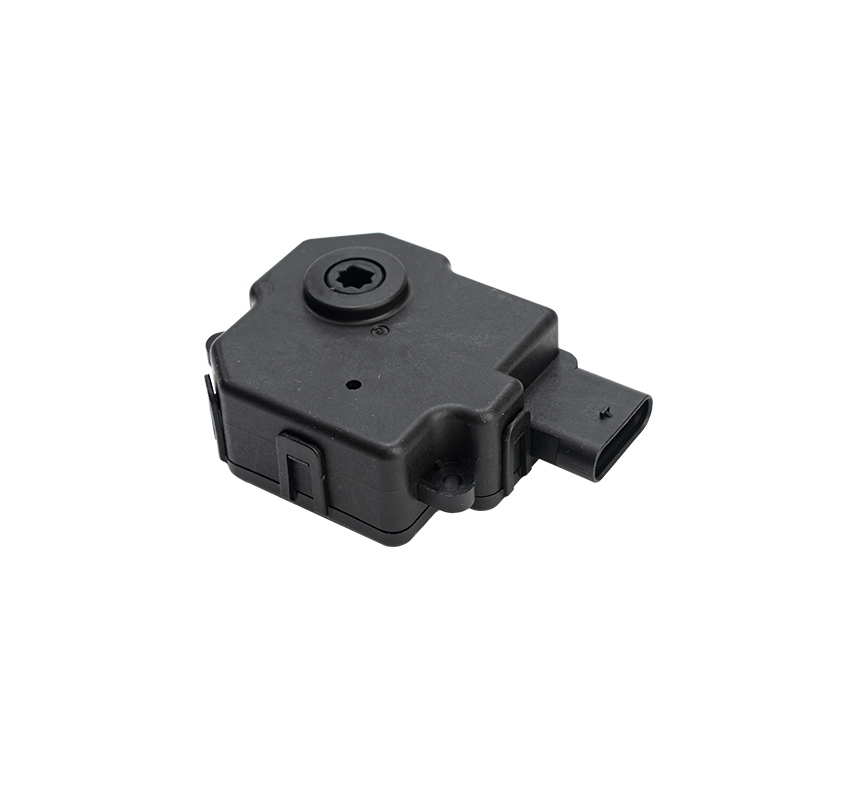
An automotive actuator is a device that converts electrical, pneumatic, or hydraulic energy into mechanical movement. It receives commands from the vehicle's electronic control unit (ECU) and performs specific actions such as opening, closing, locking, adjusting, or positioning various automotive systems.
In simple terms, an actuator acts as the "muscle" of a vehicle's control system. While sensors collect information and controllers make decisions, actuators execute those decisions physically.
Automotive actuators can be classified into several categories depending on their operating principle:
Electric Actuators – Powered by electric motors and commonly used in modern passenger vehicles.
Hydraulic Actuators – Utilize fluid pressure for high-force applications.
Pneumatic Actuators – Operate using compressed air.
Electromechanical Actuators – Combine electronic controls with mechanical motion systems.
Electric actuators are currently the most popular due to their precision, efficiency, and compatibility with intelligent vehicle systems.
Automotive actuators are used throughout a vehicle. Some common applications include:
Electronic throttle control systems
HVAC air flap adjustment
Power door locks
Power liftgates and trunks
Headlight leveling systems
Turbocharger wastegate control
Seat adjustment mechanisms
mirror folding systems
Parking brake systems
Active grille shutters
As vehicle electrification continues to grow, actuator demand is increasing rapidly across passenger cars, commercial vehicles, and electric vehicles.
The primary function of an actuator is to translate electronic control signals into physical movement. Depending on the application, automotive actuators can:
Control airflow and temperature regulation
Improve vehicle safety systems
Enhance passenger comfort
Optimize fuel efficiency
Support autonomous driving technologies
Enable smart vehicle automation features
High-quality actuators ensure accurate positioning, quick response times, and long-term reliability under harsh automotive environments.
Working with an experienced automotive actuator manufacturer offers several advantages:
Stable product quality and consistency
Automotive-grade testing and validation
Custom engineering support
OEM and ODM development capabilities
Compliance with international automotive standards
Efficient mass production capacity
Manufacturers with extensive automotive experience can provide tailored actuator solutions that meet specific vehicle platform requirements.
A reliable automotive actuator supplier not only delivers products but also assists customers throughout the development cycle. This includes prototype design, performance testing, material selection, and production optimization.
By partnering with a trusted supplier, automotive companies can shorten development timelines, reduce costs, and improve product performance.
The automotive industry is rapidly transitioning toward electrification, connectivity, and intelligent driving. As a result, actuator technology is evolving to become:
More compact and lightweight
Energy efficient
Highly integrated with vehicle electronics
Capable of real-time diagnostics
Compatible with autonomous driving systems
Advanced actuators will continue to play a critical role in next-generation electric and smart vehicles.
An automotive actuator is a key component that enables vehicles to perform countless automatic functions. From safety systems and climate control to intelligent driving features, actuators convert electronic commands into precise mechanical actions.
Whether you're sourcing components for OEM production or developing new vehicle platforms, partnering with an experienced automotive actuator manufacturer and dependable automotive actuator supplier can help ensure performance, reliability, and long-term success.
```

Mr. Hansol Kim