


Please Leave Us A Message

Haoyong Automotive Controls
AC actuator is widely used in industrial equipment because it provides reliable motion control, flexible installation options, and compatibility with industrial power systems. It helps machines perform mechanical movement, positioning, and adjustment tasks. Compared with traditional mechanical operation methods, AC actuator and AC Linear Actuator solutions provide better control for automated industrial applications.
An AC Actuator is an electric motion device that uses alternating current to drive mechanical movement. It converts electrical signals into physical actions, allowing industrial equipment to complete operations such as lifting, pushing, pulling, rotating, or positioning.
In industrial environments, automation systems often require precise control of mechanical components. The AC Actuator acts as a connection between the control system and the moving parts of the machine.
An AC Linear Actuator is designed specifically for linear movement applications. It is commonly used in industrial machines where components need to move along a straight path.
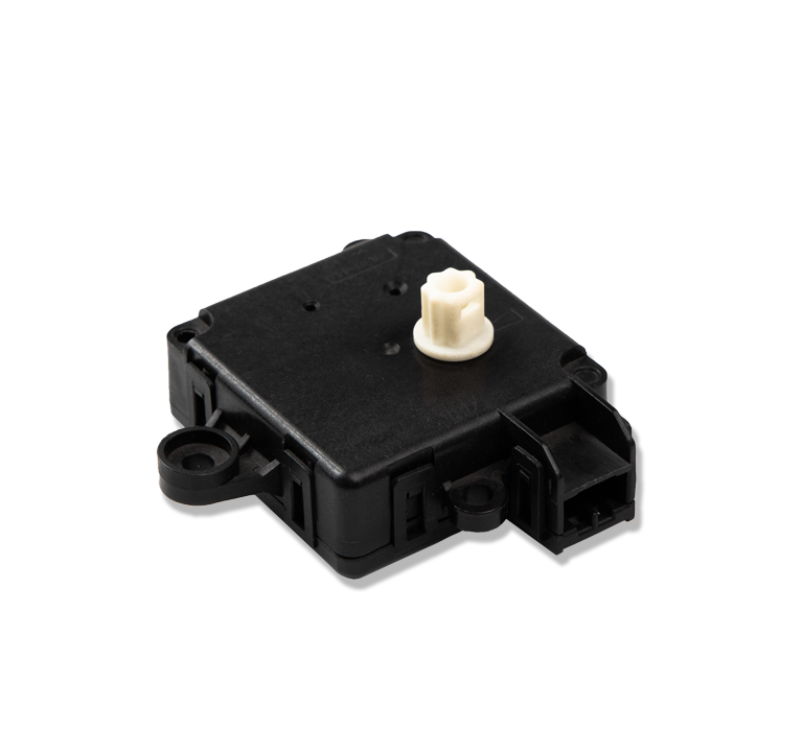
Industrial equipment requires components that can operate continuously under different working conditions. AC Actuators have become an important choice for many industries because they can work with common industrial power supplies and provide consistent mechanical movement.
They are used in manufacturing equipment, material handling systems, automation machinery, medical equipment, agricultural machines, and many other industrial applications.
One major advantage of an AC Actuator is its ability to provide controlled mechanical movement. Industrial machines often require repeated operations with consistent positioning.
An AC Actuator can help equipment achieve accurate movement by receiving signals from controllers and adjusting the position of mechanical components.
For applications requiring straight movement, an AC Linear Actuator provides controlled extension and retraction, making it suitable for positioning systems.
Industrial equipment often operates for long periods. AC Actuators are designed to work with industrial electrical systems and can support continuous operation in many applications.
Their structure allows them to handle repeated movement cycles, making them suitable for automated production environments.
AC Actuators are available in different sizes, voltage specifications, stroke lengths, and force ratings. This flexibility allows engineers to select suitable models for different machines.
For example:
Small AC Actuators can be used for compact automation equipment
High-force models can support heavy industrial mechanisms
AC Linear Actuators can be used for precise positioning systems
This flexibility makes them adaptable to various industries.
Modern industrial equipment usually uses PLC controllers, sensors, and digital control systems. AC Actuators can be integrated into these systems to achieve automated movement control.
Through electrical signals, machines can automatically adjust positions without continuous manual operation.
This integration supports the development of smart factories and automated production lines.
Before automation technology became common, many industrial processes required manual adjustment. AC Actuator systems help reduce the need for manual movement control.
By using automated positioning and adjustment functions, equipment operators can manage machines more efficiently.
Different industries have different requirements for actuator performance. Manufacturers can provide customized AC Actuator solutions based on application needs.
Customization options may include:
Different stroke lengths
Various mounting structures
Specific voltage options
Customized control methods
Special operating environments
An AC Linear Actuator can also be customized for equipment requiring specific movement distances and installation conditions.
AC Actuators are used in many industrial fields, including:
Manufacturing Equipment:
Used for machine adjustment, assembly systems, and production line automation.
Material Handling Systems:
Used for lifting platforms, conveyor adjustments, and positioning equipment.
Agricultural Machinery:
Used for equipment adjustment and mechanical control.
Medical Equipment:
Used for adjustable structures and mechanical movement systems.
Automation Equipment:
Used for robotic systems and smart manufacturing solutions.
When selecting an AC Actuator, engineers should evaluate:
Required force or load capacity
Movement distance
Operating speed
Working environment
Control method
Installation requirements
Choosing the correct specifications ensures the actuator can match the equipment design and operating conditions.
AC Actuator technology has become an important part of modern industrial equipment. Its stable movement control, flexible design options, and compatibility with automation systems make it suitable for various industrial applications.
As industries continue moving toward automation and smart manufacturing, AC Actuator and AC Linear Actuator solutions will remain essential components for improving equipment functionality and motion control performance.

Mr. Hansol Kim