


Please Leave Us A Message

Haoyong Automotive Controls
AC actuator is an important motion control component used in smart automation equipment to convert electrical energy into mechanical movement. It helps automated systems achieve precise positioning, movement control, and equipment adjustment. With the development of industrial automation, AC actuator and AC Linear Actuator are widely applied in manufacturing equipment, robotic systems, smart machinery, and automated production lines.
An AC Actuator is an electric actuator powered by alternating current (AC) that generates mechanical motion through an internal motor and transmission structure. In smart automation equipment, it works as a driving component that controls the movement of mechanical parts according to signals from a control system.
Unlike traditional manual adjustment methods, an AC Actuator can receive commands from controllers, sensors, or automation systems to complete repeated operations. This makes it suitable for applications that require accurate movement control and continuous operation.
An AC Linear Actuator is a common type of AC Actuator that produces linear motion instead of rotary movement. It is often used when equipment requires pushing, pulling, lifting, or positioning functions.
In an automated system, the AC Actuator usually works together with controllers, sensors, and mechanical structures. When the control system sends an electrical signal, the motor inside the actuator converts electrical energy into rotational force. Through gears, screws, or other transmission mechanisms, the rotary motion is converted into linear movement.
For example, in an automated production machine, a controller may send instructions based on programmed settings. The AC Actuator then adjusts the position of components, opens or closes mechanisms, or moves equipment parts to a specific location.
The working process normally includes:
Receiving control signals from the automation system
Converting electrical energy into mechanical force
Moving connected components according to required positions
Returning feedback information through sensors if available
This process allows automation equipment to operate with consistent movement and reduced manual intervention.
Manufacturing industries use AC Actuator systems for machine adjustment, material handling, and production line operations. They help control mechanical movements in equipment such as assembly machines, packaging machines, and processing systems.
For example, an AC Linear Actuator can adjust working positions in automated machines where accurate movement is required.
Robotic equipment requires multiple motion control components to complete complex tasks. AC Actuators can provide the necessary force for robotic arms, positioning platforms, and automated handling systems.
The actuator allows robots to perform repeated movements with stable operation, improving production consistency.
Smart factories depend on connected automation devices and real-time control systems. AC Actuator products can be integrated with PLC systems, industrial controllers, and smart sensors.
Through digital control, operators can monitor equipment movement and adjust parameters according to production requirements.
In smart buildings, AC Actuators are used for controlling valves, dampers, and ventilation systems. They help regulate airflow, temperature adjustment, and mechanical positioning.
The integration of actuators with building automation systems improves equipment management and operational flexibility.
AC Actuators provide several benefits for modern automation equipment. Their AC power supply makes them suitable for industrial environments where continuous operation is required.
They can provide stable mechanical output and support different movement requirements, including linear motion, positioning, and adjustment. With various specifications available, manufacturers can select suitable actuator models based on load, speed, voltage, and stroke requirements.
For customized automation projects, an AC Linear Actuator can also be designed with different dimensions, mounting methods, and control options to meet specific equipment requirements.
Selecting the correct actuator requires consideration of several factors:
Load Capacity:
The actuator should provide enough force to move the connected components.
Stroke Length:
The required movement distance determines the suitable actuator size.
Operating Speed:
Different automation applications require different movement speeds.
Voltage Requirements:
The power supply should match the equipment control system.
Installation Space:
The actuator design should fit the mechanical structure.
Understanding these factors helps engineers choose an AC Actuator that matches the actual working environment.
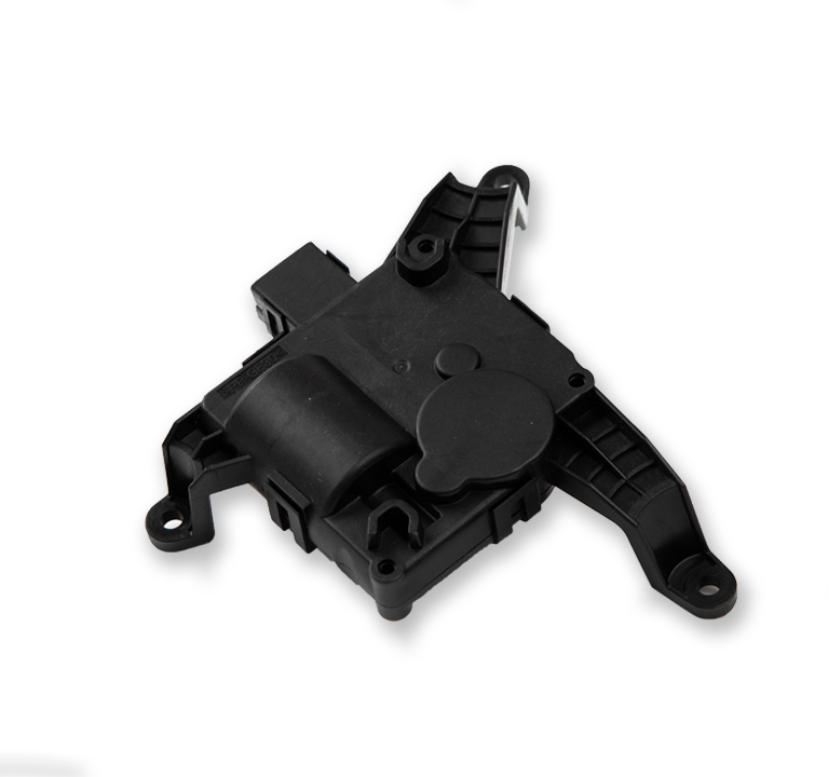
With the growth of Industry 4.0 and smart manufacturing, AC Actuator technology continues to develop toward more precise control, better integration, and improved energy management.
Modern automation equipment requires components that can communicate with digital systems and support intelligent control. AC Actuator manufacturers are focusing on developing products with improved control functions, compact structures, and customized solutions.
As automation expands across different industries, AC Actuator and AC Linear Actuator products will continue to play an important role in motion control systems.

Mr. Hansol Kim