


Please Leave Us A Message

Haoyong Automotive Controls
The main difference between electric and pneumatic HVAC Actuators is the way they generate movement. An electric HVAC Actuator uses an electric motor to control dampers or valves with high precision, making it ideal for modern building automation systems. A pneumatic HVAC Actuator uses compressed air to create movement, offering fast response, high reliability, and excellent performance in industrial environments where compressed air is readily available. Choosing between the two depends on factors such as control accuracy, energy source, installation environment, maintenance requirements, and overall system design.
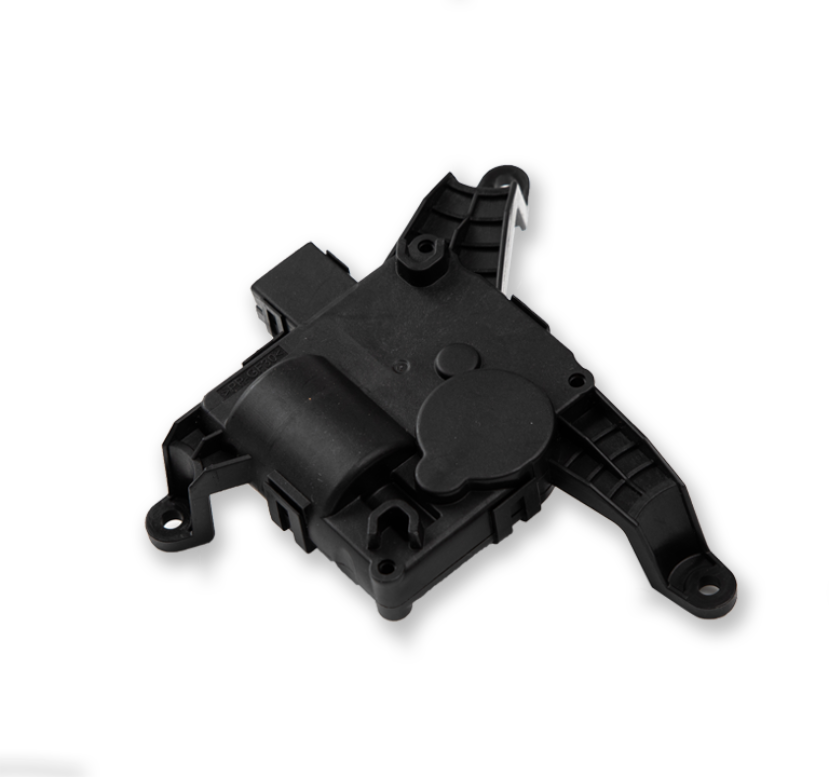
An HVAC actuator is a mechanical device that converts electrical or pneumatic energy into motion. It is responsible for opening, closing, or adjusting dampers and valves within heating, ventilation, and air conditioning systems. By controlling airflow and fluid flow, HVAC actuators help maintain comfortable indoor temperatures, improve energy efficiency, and support reliable system operation.
In residential applications, actuators are often found inside air handling systems and automotive climate control systems. Components such as the heater blend Door Actuator, HVAC blend door actuator, and AC blend door actuator regulate the movement of blend doors to direct warm or cool air where it is needed.
An electric HVAC actuator is powered by an electric motor. It receives control signals from thermostats, controllers, or building management systems (BMS) and accurately positions dampers or valves according to the required airflow or temperature.
High positioning accuracy
Easy integration with smart building automation systems
Low maintenance requirements
Quiet operation
Excellent energy efficiency
Simple installation without compressed air equipment
Electric actuators are commonly used in office buildings, hospitals, hotels, shopping malls, schools, and commercial HVAC systems where precise temperature control is essential.
A pneumatic HVAC actuator operates using compressed air supplied by an air compressor. Air pressure moves an internal diaphragm or piston, allowing the actuator to open or close dampers and valves quickly.
Fast response speed
Reliable performance in harsh environments
No electrical sparks, making them suitable for hazardous locations
High output force
Long service life under continuous operation
Pneumatic actuators are widely used in factories, chemical plants, manufacturing facilities, power stations, and industrial HVAC systems where compressed air is already available.
| Feature | Electric HVAC Actuator | Pneumatic HVAC Actuator |
|---|---|---|
| Power Source | Electricity | Compressed Air |
| Control Accuracy | Very High | Moderate |
| Installation | Easy | Requires Air Supply |
| Maintenance | Low | Moderate |
| Energy Efficiency | High | Depends on Air System |
| Response Speed | Fast | Very Fast |
| Noise Level | Low | Higher |
| Best Application | Commercial Buildings | Industrial Facilities |
Both actuator types can provide reliable performance, but selecting the right solution depends on the operating environment and system requirements.
When selecting an HVAC actuator, consider the following factors:
Commercial office buildings usually benefit from electric actuators because of their compatibility with intelligent building management systems.
Industrial facilities may prefer pneumatic actuators when compressed air systems already exist.
Applications requiring accurate airflow balancing and temperature regulation generally favor electric actuators.
Electric actuators typically require less routine maintenance since they have fewer external components than pneumatic systems.
Hazardous industrial environments may require pneumatic actuators because they operate without generating electrical sparks.
Although electric actuators may have a higher initial equipment cost, they often reduce long-term maintenance and operating expenses.
HVAC actuators are widely used in:
Air handling units (AHUs)
Fan coil units (FCUs)
Variable air volume (VAV) systems
Smoke control dampers
Fire dampers
Zone control systems
Heating valves
Cooling valves
In automotive HVAC systems, components such as the heater blend door actuator, HVAC blend door actuator, and AC blend door actuator help regulate cabin temperature by adjusting the airflow through heating and cooling passages.
Electric and pneumatic HVAC actuators each offer unique advantages. Electric actuators provide outstanding precision, energy efficiency, and seamless integration with modern automation systems, making them ideal for commercial buildings. Pneumatic actuators deliver rapid response, durability, and reliable operation in demanding industrial environments.
Before selecting an HVAC actuator, carefully evaluate your building's control requirements, available power sources, maintenance capabilities, and long-term operating costs. Choosing the appropriate actuator can significantly improve HVAC performance, reduce energy consumption, and extend the lifespan of your system.
An HVAC actuator is a device that controls the movement of dampers or valves within an HVAC system. It converts electrical or pneumatic energy into mechanical motion to regulate airflow, temperature, and ventilation automatically.
Common signs of a faulty HVAC actuator include unusual clicking or knocking noises, inconsistent airflow, incorrect cabin or room temperature, dampers that fail to open or close properly, and poor HVAC system performance. A professional inspection can confirm whether the actuator needs repair or replacement.
The reset procedure depends on the HVAC system model. In many systems, you can reset the actuator by turning off the power for several minutes, restoring power, and allowing the HVAC control module to recalibrate automatically. Some systems may require a manual calibration process using the thermostat or diagnostic software. Always follow the manufacturer's recommended procedure.

Mr. Hansol Kim