


Please Leave Us A Message
Haoyong Automotive Controls
As automation continues to expand across HVAC,industrial equipment,and building management systems,the demand for reliable and durable AC actuator solutions is increasing.For system integrators,equipment manufacturers,and industrial buyers,choosing the right AC actuator is no longer just about motion—it directly affects system stability,energy efficiency,and long-term operating costs.
What Makes an AC Actuator a Practical Choice?
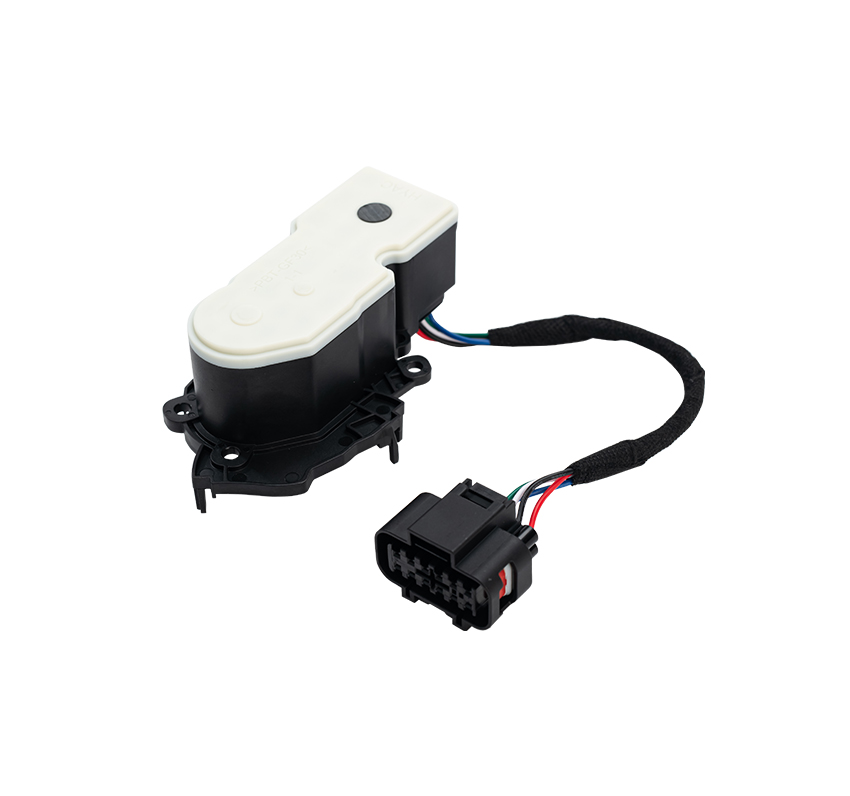
An AC actuator is designed to convert alternating current into precise mechanical movement,enabling controlled opening,closing,or positioning of valves,dampers,and mechanical components.Compared with manual control or unstable drive systems,AC actuators offer consistent performance under continuous operation.
For applications that require dependable power output and long service life,AC-powered actuators remain a preferred choice in industrial and commercial environments.
Key Performance Benefits for Industrial Buyers
Stable Output for Continuous Operation
AC actuators are well suited for applications that operate for extended periods.Their stable power supply allows consistent torque output,helping reduce mechanical wear and unexpected downtime.
Easy Integration with Control Systems
Modern AC actuator designs support integration with PLCs,BMS,and other automation controllers.This makes them ideal for OEM projects and system upgrades where compatibility and control accuracy are critical.
Reduced Maintenance and Operating Costs
By using robust drive components and proven electrical designs,AC actuators help minimize maintenance frequency.Over time,this can significantly lower total ownership costs for industrial users.
Typical Applications of AC Actuators
HVAC and Ventilation Systems
In HVAC applications,AC actuators are commonly used to control air dampers and water valves.Accurate positioning improves airflow regulation and temperature control,contributing to better energy efficiency in commercial buildings.
Industrial Valves and Automation Equipment
For industrial automation,AC actuators provide reliable motion control for valves,gates,and mechanical assemblies.Their durability makes them suitable for harsh operating environments where stability is essential.
Customized Equipment and OEM Projects
Many manufacturers choose AC actuators for customized equipment due to their adaptability.Torque,voltage,mounting style,and control mode can be selected to match specific project requirements.
How to Select the Right AC Actuator for Your Project
When sourcing an AC actuator,buyers should evaluate several key factors:
Operating voltage and frequency
Required torque or thrust output
Control mode(on/off or modulating)
Installation space and mounting options
Environmental conditions and protection level
A properly matched AC actuator not only improves system performance but also reduces long-term maintenance risks.
Why Work with a Professional AC Actuator Supplier?
Choosing the right supplier is just as important as selecting the product itself.An experienced AC actuator manufacturer or supplier can provide technical support,application guidance,and customization options to ensure optimal performance in real-world applications.
Reliable suppliers also offer consistent quality control and stable production capacity—critical factors for long-term cooperation and repeat orders.
AC Actuator Solutions Tailored to Your Needs
If you are looking for dependable AC actuator solutions for HVAC systems,industrial automation,or OEM equipment,working with a supplier that understands application requirements can make a significant difference.
Contact us to discuss your project requirements,technical specifications,or customization needs.Our team is ready to support your motion control applications with practical and reliable AC actuator solutions.

Mr. Hansol Kim