


Please Leave Us A Message
Haoyong Automotive Controls
Torque rating is one of the most important specifications when selecting an AC Actuator. It determines how much rotational force the actuator can generate to move or control a mechanical load.
Choosing an AC Actuator with an incorrect torque rating may result in poor performance, increased wear, or actuator failure. Understanding torque requirements helps engineers select the right actuator for different industrial applications.
Torque refers to the rotational force produced by an actuator. The torque rating indicates the maximum force that an AC actuator can provide during operation.
Torque is usually measured in Newton meters (Nm) or pound-force inches (lb-in). A higher torque rating means the actuator can handle heavier loads or stronger resistance.
For example, an actuator used for a small valve may require only a few Nm of torque, while a large industrial valve or mechanical system may require hundreds of Nm.
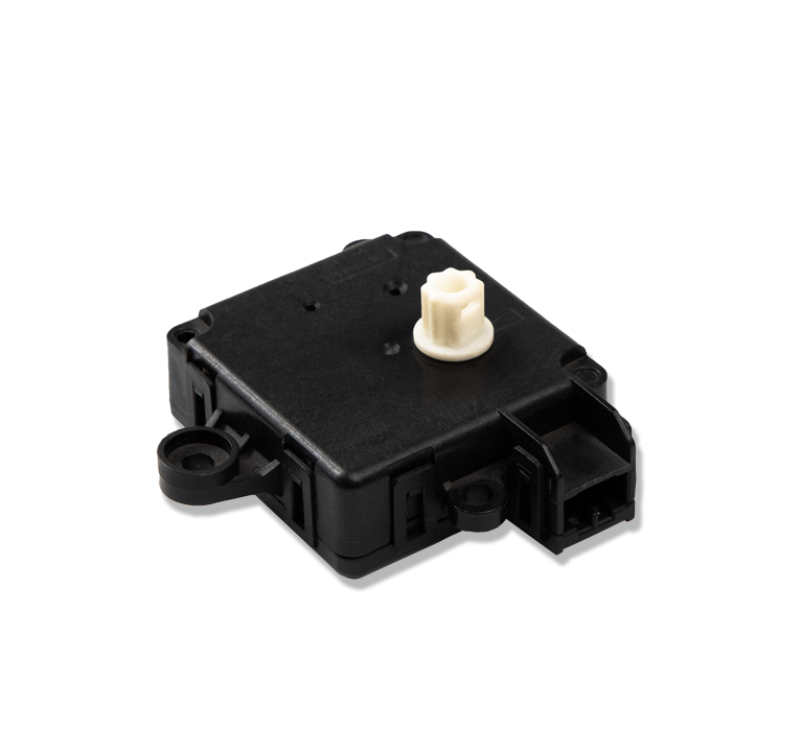
Several factors should be considered when determining the required torque rating for an AC actuator.
The first factor is the load size. Larger or heavier mechanical components usually require more torque to move. For valve applications, valve size, pressure, and friction can influence torque requirements.
The second factor is operating conditions. Equipment working in harsh environments may experience additional resistance caused by temperature changes, corrosion, or mechanical friction.
The third factor is operating frequency. An AC actuator that operates continuously may require different torque specifications compared with an actuator used occasionally.
The required torque depends on the force needed to move the load and the distance from the rotation point. Engineers usually consider the actual working torque and add a suitable safety margin.
Selecting an actuator with slightly higher torque capacity can help compensate for unexpected resistance and improve operating stability.
Different industries require different torque levels from AC actuators.
In valve automation systems, torque requirements depend on valve type, size, and operating pressure. Ball valves, butterfly valves, and gate valves may require different torque levels.
In industrial automation equipment, torque selection depends on mechanical load, movement speed, and working cycle. Applications requiring accurate positioning need suitable torque control.
In HVAC systems, AC actuators are commonly used for controlling dampers and airflow systems. These applications usually require stable torque output for long-term operation.
Before selecting an AC actuator, users should check several technical parameters:
Required operating torque
Maximum load torque
Operating voltage
Movement speed
Duty cycle
Installation environment
Control requirements
Choosing the correct torque range instead of selecting only the highest output value can help improve system performance and reduce unnecessary costs.
The correct torque rating is essential for ensuring proper AC actuator performance. Torque requirements depend on load conditions, application type, operating environment, and working frequency.
By matching the AC actuator torque rating with actual application requirements, users can achieve stable and reliable mechanical control for different industrial systems.

Mr. Hansol Kim