


Please Leave Us A Message

Haoyong Automotive Controls
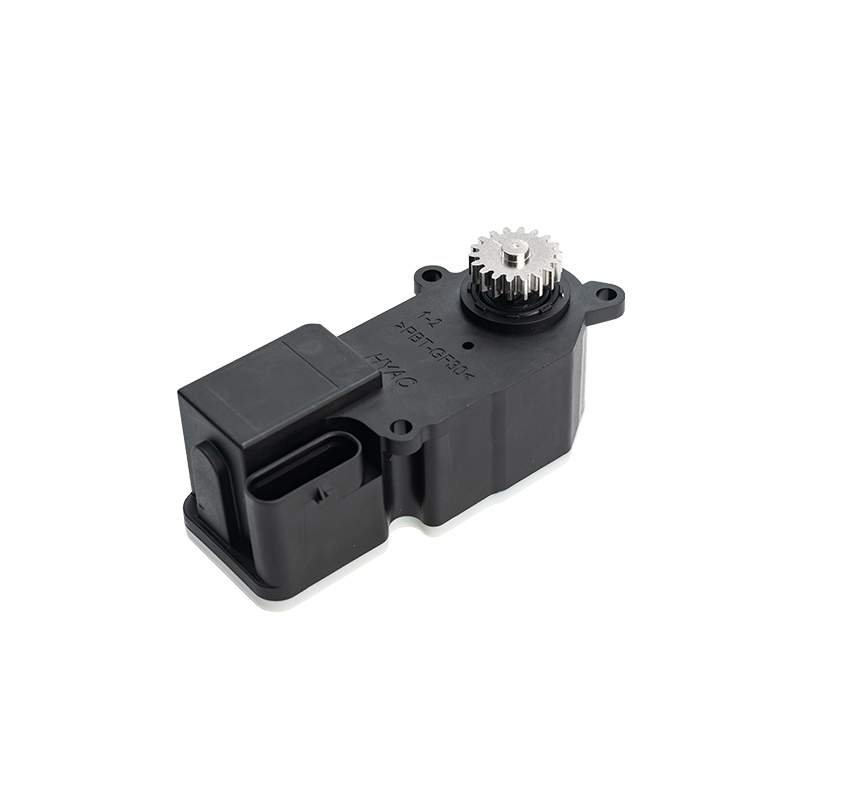
A CPD Actuator consists of several essential components that work together to convert electrical energy into controlled mechanical movement. The main components usually include the motor, control circuit, transmission mechanism, housing, feedback system, and output structure. Each part plays an important role in ensuring accurate positioning, stable operation, and effective motion control. Understanding the internal structure of a CPD Actuator helps engineers and buyers select suitable products for industrial automation, valve control, and mechanical applications.
Main Components of a CPD Actuator
A CPD Actuator is an integrated electromechanical device that combines electronic control and mechanical transmission technologies. Although actuator designs may vary depending on application requirements, most CPD Actuator systems contain several basic components.
1. Electric Motor
The electric motor is one of the most important components inside a CPD Actuator. Its main function is converting electrical energy into rotational mechanical power.
When the actuator receives a control signal, the motor starts operating and produces torque. The motor type directly affects the actuator’s speed, force output, and energy consumption.
Different applications may require different motor configurations. For example, industrial systems that require higher force may need a stronger motor design, while precision equipment may require motors with accurate positioning capabilities.
2. Control Circuit Board
The control circuit is the electronic center of a CPD Actuator. It receives external signals and manages actuator operation.
The circuit board controls functions such as:
Movement direction
Operating speed
Position adjustment
Signal communication
Protection functions
Modern CPD Actuators may include advanced control features that allow integration with automation systems, sensors, and industrial networks.
3. Transmission Mechanism
The transmission mechanism transfers power from the motor to the output section. Since motors usually operate at high speed but lower torque, the transmission system adjusts the movement to meet application requirements.
Common transmission components include:
Gears
Screw mechanisms
Shafts
Bearings
Drive assemblies
A well-designed transmission structure improves movement stability and reduces mechanical wear.
4. Output Shaft or Rod
The output component is responsible for delivering the final mechanical movement.
For rotary CPD Actuators, the output shaft provides rotational movement to operate valves or mechanical devices. For linear models, the output rod creates forward and backward movement.
The design of the output structure depends on the application, required force, and installation environment.
5. Feedback System
Many CPD Actuators include a feedback system to monitor operating conditions.
Sensors can provide information about:
Current position
Movement status
Operating limits
System errors
This feedback allows the actuator to achieve more accurate control and helps prevent operation beyond designed limits.
6. Protective Housing
The external housing protects internal components from dust, moisture, vibration, and environmental impact.
The housing material and sealing design depend on the application environment. Industrial applications often require stronger protection to maintain stable performance under demanding conditions.
How These Components Work Together
The components inside a CPD Actuator operate as a complete system. The control circuit receives an electrical command, activates the motor, and transfers power through the transmission mechanism. The output shaft or rod then produces the required movement, while the feedback system monitors operation.
This coordinated process allows the actuator to provide controlled movement for automated equipment.
How to Select a CPD Actuator Based on Internal Structure
When purchasing a CPD Actuator, understanding the internal components helps customers evaluate product suitability.
Factors such as motor type, transmission design, control method, and protection level should be considered according to the application.
A professional CPD Actuator Manufacturer can provide detailed technical information, product customization, and engineering support.
A reliable CPD Actuator Supplier should offer suitable actuator models based on customer requirements instead of providing standard products only.
A qualified CPD Actuator Factory normally focuses on manufacturing processes, component inspection, and product testing to maintain stable quality.
An experienced CPD Actuator Company can support customers with actuator selection, system integration, and after-sales service.
Conclusion
The key components inside a CPD Actuator include the motor, control circuit, transmission system, output structure, feedback system, and protective housing. These components work together to achieve accurate and controlled mechanical movement. Understanding the internal structure helps users choose the right actuator solution for industrial automation and mechanical control applications.

Mr. Hansol Kim