


Please Leave Us A Message

Haoyong Automotive Controls
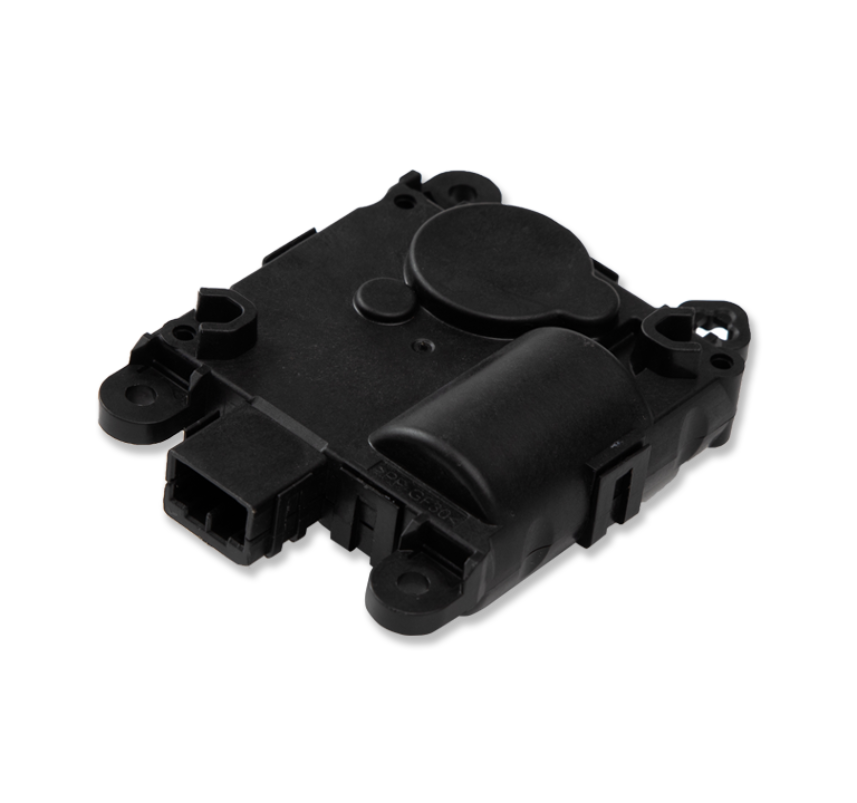
HVAC Actuators are typically made from a combination of durable materials, including aluminum, stainless steel, engineering plastics, copper, and high-quality rubber seals. The housing is often constructed from aluminum alloy or reinforced plastic to provide strength and corrosion resistance, while internal gears may be made of metal or engineering plastics for smooth operation. Electric motors use copper windings, and seals are made from rubber or silicone to protect internal components from dust and moisture. The choice of materials directly affects the HVAC Actuator's durability, efficiency, reliability, and service life in residential, commercial, and industrial HVAC systems.
An HVAC actuator operates continuously to regulate airflow and control valves or dampers within heating, ventilation, and air conditioning systems. Because these components are exposed to temperature changes, humidity, vibration, and frequent movement, manufacturers carefully select materials that can withstand demanding operating conditions.
High-quality materials help improve actuator performance by reducing wear, preventing corrosion, and extending maintenance intervals. Whether the actuator is installed in a commercial building, industrial facility, or automotive climate control system, material quality plays a significant role in long-term reliability.
One of the most common materials used for HVAC actuator housings is aluminum alloy.
Aluminum offers several advantages:
Lightweight construction
Excellent corrosion resistance
High mechanical strength
Efficient heat dissipation
Long service life
Industrial HVAC actuators often feature die-cast aluminum housings because they can withstand harsh environments while protecting sensitive internal components.
Many modern HVAC actuators use engineering plastics such as ABS, nylon (PA), or polycarbonate (PC).
These materials provide:
Lightweight design
Excellent impact resistance
Electrical insulation
Lower manufacturing costs
Reduced operating noise
Engineering plastics are commonly used for outer covers, gear housings, and structural components in residential and commercial HVAC systems.
Automotive components such as the heater blend Door Actuator, HVAC blend door actuator, and AC blend door actuator frequently use reinforced engineering plastics to achieve the ideal balance between strength and weight.
Stainless steel is commonly used for shafts, fasteners, springs, and mounting hardware.
Its benefits include:
Outstanding corrosion resistance
High tensile strength
Resistance to moisture
Excellent durability
Low maintenance
These properties make stainless steel particularly suitable for HVAC systems installed in humid environments or outdoor applications.
Electric HVAC actuators rely on motors that contain copper windings.
Copper is selected because it provides:
Excellent electrical conductivity
High energy efficiency
Stable motor performance
Reduced heat generation
Longer motor lifespan
High-purity copper allows the actuator motor to deliver smooth, accurate positioning while minimizing energy loss.
The gear system inside an HVAC actuator transfers motor power into controlled movement.
Depending on the application, manufacturers may use:
Metal gears are typically made from steel or brass.
Advantages include:
High torque capacity
Excellent wear resistance
Longer lifespan
Better performance under heavy loads
Plastic gears are often manufactured from reinforced nylon or POM (polyoxymethylene).
Their benefits include:
Quiet operation
Lower weight
Reduced friction
Lower production cost
Many commercial HVAC actuators combine metal and plastic gears to achieve the best balance between durability and noise reduction.
Seals are essential for protecting internal actuator components.
Common sealing materials include:
EPDM rubber
Silicone rubber
Nitrile rubber (NBR)
These seals help prevent:
Dust intrusion
Water penetration
Moisture damage
Air leakage
Proper sealing significantly extends the service life of an HVAC actuator, especially in demanding environments.
Different HVAC systems require different material combinations.
Residential actuators typically emphasize quiet operation and cost efficiency, using engineering plastics with lightweight aluminum components.
Commercial HVAC systems often require durable aluminum housings, stainless steel shafts, and precision copper motors for continuous operation.
Industrial actuators prioritize strength and corrosion resistance by using die-cast aluminum, stainless steel hardware, heavy-duty gears, and premium sealing materials.
Automotive climate control systems use compact, lightweight designs. Components like the heater blend door actuator, HVAC blend door actuator, and AC blend door actuator rely heavily on reinforced plastics, precision gears, and efficient electric motors to ensure accurate airflow control inside the vehicle.
Premium materials provide several long-term advantages:
Longer operating life
Greater positioning accuracy
Better resistance to corrosion
Improved energy efficiency
Lower maintenance costs
More reliable operation
Reduced system downtime
Although higher-quality materials may increase initial manufacturing costs, they often reduce total ownership costs by minimizing repairs and extending equipment life.
HVAC actuators are manufactured using a combination of aluminum alloy, stainless steel, engineering plastics, copper, durable gears, and high-performance sealing materials. Each material serves a specific purpose, from providing structural strength and corrosion resistance to ensuring precise motor operation and protecting internal components.
When selecting an HVAC actuator, it is important to consider not only the actuator's specifications but also the quality of its materials. A well-designed actuator built with premium materials will deliver better reliability, greater efficiency, and a longer service life for residential, commercial, industrial, and automotive HVAC applications.
An HVAC actuator is a mechanical device that converts electrical or pneumatic energy into motion to control dampers, valves, or air doors within an HVAC system. It helps regulate airflow, temperature, and ventilation automatically for improved comfort and energy efficiency.
Common signs of a faulty HVAC actuator include clicking or grinding noises, inconsistent airflow, incorrect temperature control, dampers that fail to move properly, or reduced HVAC system performance. A professional inspection or diagnostic test can determine whether the actuator needs repair or replacement.
The reset process varies depending on the HVAC system. In many cases, you can turn off the HVAC system or disconnect the power for several minutes before restoring power to allow the actuator to recalibrate automatically. Some systems require manual calibration using the thermostat or manufacturer-specific diagnostic procedures. Always follow the equipment manufacturer's instructions for the correct reset method.

Mr. Hansol Kim