


Please Leave Us A Message

Haoyong Automotive Controls
When your car's air conditioning system stops blowing cold air, most drivers immediately suspect low refrigerant levels, a faulty compressor, or a leaking AC line. However, one often-overlooked component that can significantly impact cabin temperature is the blend Door Actuator.
So, can a blend Door Actuator affect the AC? The answer is yes. A malfunctioning blend door actuator can prevent your air conditioning system from delivering the desired temperature, even when all other AC components are functioning properly.
In this article, we'll explain what a blend door actuator is, how it works, the symptoms of failure, and why it plays a critical role in your vehicle's climate control system.
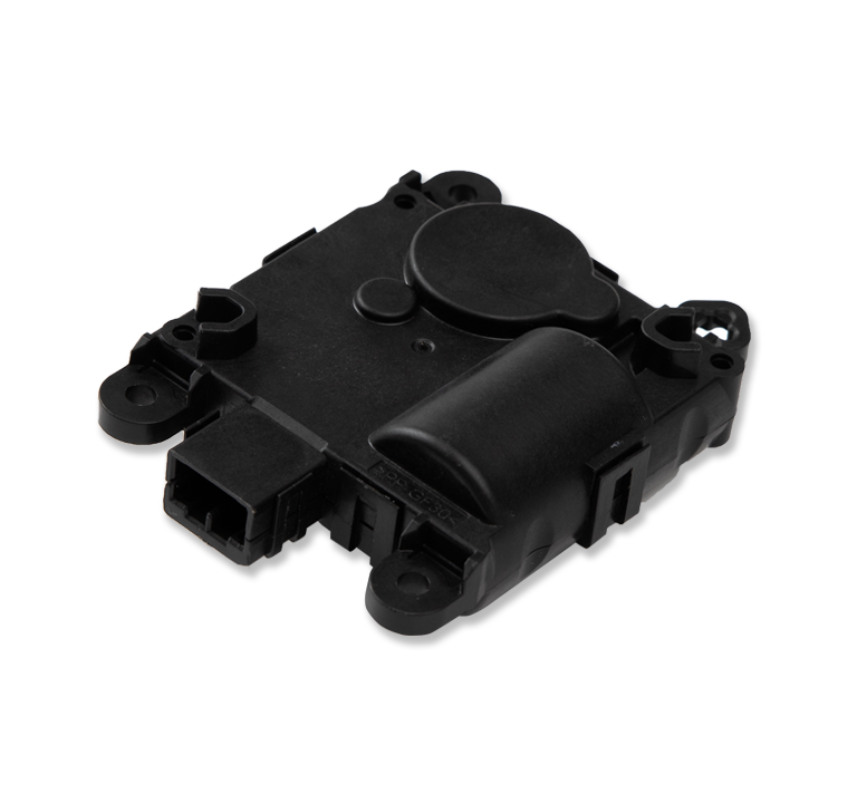
A blend door actuator is a small electric motor located inside your vehicle's HVAC (Heating, Ventilation, and Air Conditioning) system. Its job is to control the position of the blend door, which regulates the mixture of hot and cold air entering the cabin.
When you adjust the temperature setting on your dashboard, the actuator moves the blend door to allow more air to pass through either the heater core or the evaporator. This process determines whether warm or cool air comes out of the vents.
Modern vehicles may have multiple blend door actuators, especially those equipped with dual-zone or tri-zone climate control systems.
The air conditioning system generates cold air through the evaporator. However, before that air reaches the cabin, it passes through the HVAC housing, where the blend door determines how much of that cold air is mixed with heated air.
If the blend door actuator fails, the blend door may become stuck in an incorrect position. As a result:
Cold air may be mixed with hot air.
Warm air may blow from the vents even when the AC is set to maximum cooling.
The temperature may not respond to control adjustments.
Different vents may produce different temperatures.
Therefore, even though the AC compressor and refrigerant system are working correctly, a bad blend door actuator can make it seem like the AC system has failed.
One of the most common symptoms is warm air coming from the vents while the AC is turned on.
If the blend door remains in the heating position, hot air from the heater core continues mixing with the cooled air, resulting in poor cooling performance.
When you adjust the temperature settings but notice no difference in airflow temperature, the actuator may no longer be responding to commands from the climate control module.
A worn-out actuator often produces repetitive clicking sounds behind the dashboard.
These noises occur because the internal plastic gears have stripped or become damaged, causing the motor to continue attempting movement without successfully repositioning the blend door.
In vehicles with dual-zone climate control, a failed blend door actuator can cause one side of the cabin to blow cold air while the other side blows warm air.
This symptom is especially common in SUVs, luxury vehicles, and modern passenger cars.
Drivers may experience sudden temperature changes without adjusting the controls. The airflow may alternate between warm and cool due to intermittent actuator operation.
Most actuators use plastic gears to move the blend door. Years of operation can wear down these gears, eventually causing them to strip or break.
Damaged wiring, blown fuses, or faulty connectors can interrupt power to the actuator, preventing proper operation.
The small electric motor inside the actuator can wear out after years of use, especially in vehicles frequently exposed to extreme temperatures.
In some cases, the blend door itself may become stuck due to debris or mechanical damage. This added resistance can overload the actuator and accelerate failure.
Generally, a faulty blend door actuator will not damage the compressor, condenser, evaporator, or refrigerant lines.
However, it can reduce overall HVAC efficiency and create unnecessary strain on the climate control system as it continuously attempts to achieve the desired cabin temperature.
Additionally, drivers may mistakenly believe the AC system needs expensive repairs when the actual problem is a relatively inexpensive actuator.
Turn the ignition on and adjust the temperature settings from hot to cold. Listen carefully behind the dashboard for clicking or grinding sounds.
Switch between maximum heat and maximum cooling. If the air temperature remains unchanged, the actuator may be stuck.
Many modern vehicles store HVAC-related fault codes that can be read using an advanced diagnostic scanner.
Common HVAC trouble codes often indicate actuator position errors or communication failures.
In some vehicles, the actuator is accessible beneath the dashboard. A technician can inspect it for broken gears, damaged connectors, or signs of wear.
Replacement costs vary depending on the vehicle make and model.
Typical expenses include:
Blend door actuator part: $30 to $200
Labor: $50 to $500
Some actuators are easily accessible and can be replaced in less than an hour. Others require dashboard removal, significantly increasing labor costs.
Luxury vehicles and advanced climate control systems generally have higher repair expenses.
Yes, in most cases, you can continue driving with a faulty blend door actuator.
However, you may experience:
Reduced comfort during hot or cold weather.
Poor windshield defrosting performance.
Inconsistent cabin temperatures.
Increased frustration during long drives.
For safety reasons, especially during winter conditions, it is advisable to repair the actuator promptly if it affects windshield defogging capabilities.
Operate the HVAC system regularly throughout the year.
Avoid forcing temperature controls repeatedly.
Replace cabin air filters according to manufacturer recommendations.
Address unusual HVAC noises promptly.
Have climate control systems inspected during routine maintenance.
So, can a blend door actuator affect the AC? Absolutely.
Although it is a relatively small component, the blend door actuator plays a vital role in regulating cabin temperature. When it fails, your air conditioning system may blow warm air, produce inconsistent temperatures, or stop responding to climate control settings altogether.
Fortunately, blend door actuator issues are often easier and less expensive to repair than major AC system failures. By understanding the symptoms and addressing problems early, drivers can restore proper climate control performance and maintain a comfortable driving experience year-round.

Mr. Hansol Kim